Miroslaw "Ox" Feric was born on June 17th, 1915, and was a RAF ace in World War II. With 8 2/3 kills, and 1 probables, he was one of The Three Musketeers in the Kosciuszko Squadron, based in Great Britain during its famous battle for air superiority with the German Luftwaffe over the English Channel. Unfortunately, Feric was the only one of the three that did not survive the war.
As a child, Feric was a daredevil. He loved to play with gravity, walking on the narrow iron railing around the fourth-floor balcony of his family apartment, and sometimes swinging on the same railing with only one arm to keep him from dropping into an almost fatal fall. He also loved to leap from the roofs of the garden sheds in the back. Another thing he wanted, but cannot do yet is to fly, he loved to go to the local aeroklub to watch planes take-off and land. Soon, he will be able to get in one of them.
By the time the invasion of Poland had begun, and thus World War II, he had already graduated from flight school and was part of the small Polish Air Force (PAF) that was defending its country from both the Nazi's, and the Soviets. Soon enough, Poland was overwhelmed but did not surrender. Like many other, Feric escaped to France via Romania, and then when France fell, took another long journey to Britain. There, he was assigned to the No. 303 "Kosciuszko" Squadron, just in time for the Battle of Britain.
Feric was the only one in the squadron who was intent on recording everything that happened. He asked, and pestered squadron mates after the they have landed from a mission to fill in a spot in his diary, sometimes his questions were more of an order. Many of them were very irritated but agreed grudgingly. After his death, they continued his diary as a tribute to his memory.
How Feric died was much of a mystery. On February 14th, 1942, a cold midmorning, he took a Spitfire for a routine practice flight in the overcast sky. When the aircraft reached 900 m (3000 feet), part of a wing suddenly broke off, and struck the tail, achieving the destruction of both. The Spitfire started corkscrewing to the ground, getting faster as it plummeted. Feric tried to escape but his safety harness just would not let him go. His friends back on the ground watched desperately, as he and his plane slammed into a runway with a terrible roar. The plane was so fast that its nose was buried up to the cockpit in concrete. Pilots and ground crews sprinted to the wreckage as fast as they can, hoping that after all that, Feric was still alive. They found Feric's dead body hanging halfway out of the cockpit. It was clear that he had tried to get out of the plane before the fatal crash but was not able to overcome the G's and work himself free.
Miroslaw Feric was only 26 when he died but his memory would always be with many. There is an elementary school, which Feric attended, in a town called Ostrow Wielkolpolski, that is named after him. The 600 students in the school are taught of Feric's achievements during the war, his diary, and his patriotism. The school newspaper, which is published every 2 months, is named Ox. On Febuary 14th, 2002, the sixtieth anniversary of Miroslaw Feric's death, the children sent flowers for his grave in faraway England.
Honour his Memory!

Showing posts with label The 303 "Kosciuszko Squadron".. Show all posts
Showing posts with label The 303 "Kosciuszko Squadron".. Show all posts

The Three Musketeers - Jan Zumbach
Jan "Johnny" Zumbach, born on 14th April 1915 in Urysnow, Congress Poland, Russian Empire, was a RAF ace in World War II. His parents were Polish-born Swiss', which made him be registered as a Swiss citizen. He hid his nationality in order to join the Polish Army in 1934, and served as an infantrymen until he was transfered to the Polish Air Force in 1936. His graduation from flight training was the year 1938.
Thanks to a broken leg, Zumbach could not fly in the German invasion of Poland, which marked the outbreak of World War II. It was caused in a flying accident during the summer of 1939. After Poland was taken over, but not surrendered, he and a huge number of other Poles both civilians and from armed forces was evacuated via Romania to France. A surprise awaited him in Romania. It's government, after seeing the quick victory of the Nazi, and Soviet Forces in Poland, was afraid of sending aid to the Polish refugees. However, most Poles evaded arrest by bribing the Romanian officers, which cared very little for escaping Poles. The money was from the Polish Underground.
In France, he and the other Poles' treatment was just slightly better. The French blamed them for starting the war. Even though they encouraged the Poles to come before, when they arrived, their mood changed drastically.
After France fell, Zumbach, and the other Poles had to make another long journey to Britain. This time, however, the French officers, unlike the Romanians, strangely were extremely strict and they were stopping any Pole leaving. Nevertheless, Zumbach, and thousands of Poles still made it to Britain. Many of them were pilots like Zumbach and they formed numerous new squadrons in the RAF. One of them was the No. 303 "Kosciuszko" Squadron, which Zumbach was assigned to. These new squadrons were very valuable in the upcoming Battle of Britain.
Zumbach survived the war with 13 kills, 5 probables, and 1 damaged, and was decorated with the Silver Cross of the Virtuti Military, the Polish Cross of Valour (with 3 bars); and the Distinguished Flying Cross (with bar). He also had many nicknames given to him by the British, the 2 most common is "Johnny," an Anglicization of his first name, and "Donald," because his sloping nose with its oddly upturned tip reminded people of Donald Duck's bill. Shortly after the war, he, and 2 other ex-RAF pilots started a charter air transport company that became a cover for a bank-note-smuggling operation. It's activities soon expanded into a wide range of illegal goods from various nations. Soon, he settled down, married, had a child, and stopped illegal smuggling for a while. In 1962, he set-up a primitive air force for Katanga, and another one 5 years later for Biafra during it's war with Nigeria. It's only aircraft was a World War II-vintage B-26, which Zumbach and his bombardier, an Ibo tribesman, dropped homemade explosives on Nigeria during bombing raids. Even in his seventies, Zumbach was still living on the edge. One day in late 1985, he told Ludwik martel in London that he was involved in a secret deal that was going to amek him a lot of money.
Jan Zumbach died mysteriously in Paris, France on 3rd January 1986 at the age of 71. Nobody knows why, but many of his friends were sure that he had met with foul play.
Nevertheless, Zumbach was a great man.
Thanks to a broken leg, Zumbach could not fly in the German invasion of Poland, which marked the outbreak of World War II. It was caused in a flying accident during the summer of 1939. After Poland was taken over, but not surrendered, he and a huge number of other Poles both civilians and from armed forces was evacuated via Romania to France. A surprise awaited him in Romania. It's government, after seeing the quick victory of the Nazi, and Soviet Forces in Poland, was afraid of sending aid to the Polish refugees. However, most Poles evaded arrest by bribing the Romanian officers, which cared very little for escaping Poles. The money was from the Polish Underground.
In France, he and the other Poles' treatment was just slightly better. The French blamed them for starting the war. Even though they encouraged the Poles to come before, when they arrived, their mood changed drastically.
After France fell, Zumbach, and the other Poles had to make another long journey to Britain. This time, however, the French officers, unlike the Romanians, strangely were extremely strict and they were stopping any Pole leaving. Nevertheless, Zumbach, and thousands of Poles still made it to Britain. Many of them were pilots like Zumbach and they formed numerous new squadrons in the RAF. One of them was the No. 303 "Kosciuszko" Squadron, which Zumbach was assigned to. These new squadrons were very valuable in the upcoming Battle of Britain.
Zumbach survived the war with 13 kills, 5 probables, and 1 damaged, and was decorated with the Silver Cross of the Virtuti Military, the Polish Cross of Valour (with 3 bars); and the Distinguished Flying Cross (with bar). He also had many nicknames given to him by the British, the 2 most common is "Johnny," an Anglicization of his first name, and "Donald," because his sloping nose with its oddly upturned tip reminded people of Donald Duck's bill. Shortly after the war, he, and 2 other ex-RAF pilots started a charter air transport company that became a cover for a bank-note-smuggling operation. It's activities soon expanded into a wide range of illegal goods from various nations. Soon, he settled down, married, had a child, and stopped illegal smuggling for a while. In 1962, he set-up a primitive air force for Katanga, and another one 5 years later for Biafra during it's war with Nigeria. It's only aircraft was a World War II-vintage B-26, which Zumbach and his bombardier, an Ibo tribesman, dropped homemade explosives on Nigeria during bombing raids. Even in his seventies, Zumbach was still living on the edge. One day in late 1985, he told Ludwik martel in London that he was involved in a secret deal that was going to amek him a lot of money.
Jan Zumbach died mysteriously in Paris, France on 3rd January 1986 at the age of 71. Nobody knows why, but many of his friends were sure that he had met with foul play.
Nevertheless, Zumbach was a great man.
The Three Musketeers - Witold Lokuciewski
Witold "Tolo" Lokuciewski, born on February 2nd 1917, was one of The Three Musketeers of the No. 303 "Kosciuszko" Squadron in World War II. An ace, Lokuciewski, was credited with 8 kills, although it could have been more, but he was shot down by a swarm of Me-109's during his return in a mission over France, and became a Prisoner of War (PoW). His brother-in-law was not so lucky, being one of the victims of the Soviet Union in the massacre at Katyn.
After his capture by the Germans, he was first sent to a hospital in Saint-Omer, where he underwent surgery to recover the injuries sustained by his left leg, and not long after, was transferred to a hospital in Germany. His final destination was to a Prisoner-of-War camp called Stalag Luft III, near Sagan, an area of Poland taken over by the Germany. At the time of his arrival, his inmates, most of them being Allied airmen were already planning, what would later be known as "the Great Escape." Lokuciewski sooned joined them.
In 1943, Lokuciewski's first attempt to liberty was thwarted by the Germans. He, and several other airmen managed to get out of the camp, and board a train, but was arrested by the Gestapo at the next station. When he returned, he joined in with the others to planning "the Great Escape." It involved a huge number of prisoners and so, in the initial breakout on March 1944, he was left behind. Turns out, he was lucky, 50 of the 78 prisoners who escaped were quickly captured and shot.
After the war, Lokuciewski chose to return to Soviet-controlled Poland and in 1956, was asked to rejoin the Polish Air Force (PAF), which he immediately accepted. After Stalin's death, the Polish Communist Government was much softer in its attitude toward returnees who fought for the British during the war. Together with several other Polish ex-RAF pilots, he underwent retraining in much more sophisticated MiGs, compared to the Hurricane, and Spitfire. However, Lokuciewski's skill in flying was so impressive that his instructors pronounced him ready for duty on the spot. Over the years, he grew in rank in the PAF and returned to London with his wife, as a military attache for Poland's Communist Government. Unexpectedly, many of his previous fellow pilots turned on him, especially those who remained in exile in Britain. To them, Lokuciewski had betrayed Poland by working for Communists, and through them, the Soviets. Luckily, the other Musketeer, Jan Zumbach, did not feel at all furious at him, and on the contrary, remained on of Lokuciewski's best friends.
Witold Lokuciewski died on April 17th, 1990. He was one of the best the Polish Air Force could ever have.
May he never be forgotten.
After his capture by the Germans, he was first sent to a hospital in Saint-Omer, where he underwent surgery to recover the injuries sustained by his left leg, and not long after, was transferred to a hospital in Germany. His final destination was to a Prisoner-of-War camp called Stalag Luft III, near Sagan, an area of Poland taken over by the Germany. At the time of his arrival, his inmates, most of them being Allied airmen were already planning, what would later be known as "the Great Escape." Lokuciewski sooned joined them.
In 1943, Lokuciewski's first attempt to liberty was thwarted by the Germans. He, and several other airmen managed to get out of the camp, and board a train, but was arrested by the Gestapo at the next station. When he returned, he joined in with the others to planning "the Great Escape." It involved a huge number of prisoners and so, in the initial breakout on March 1944, he was left behind. Turns out, he was lucky, 50 of the 78 prisoners who escaped were quickly captured and shot.
After the war, Lokuciewski chose to return to Soviet-controlled Poland and in 1956, was asked to rejoin the Polish Air Force (PAF), which he immediately accepted. After Stalin's death, the Polish Communist Government was much softer in its attitude toward returnees who fought for the British during the war. Together with several other Polish ex-RAF pilots, he underwent retraining in much more sophisticated MiGs, compared to the Hurricane, and Spitfire. However, Lokuciewski's skill in flying was so impressive that his instructors pronounced him ready for duty on the spot. Over the years, he grew in rank in the PAF and returned to London with his wife, as a military attache for Poland's Communist Government. Unexpectedly, many of his previous fellow pilots turned on him, especially those who remained in exile in Britain. To them, Lokuciewski had betrayed Poland by working for Communists, and through them, the Soviets. Luckily, the other Musketeer, Jan Zumbach, did not feel at all furious at him, and on the contrary, remained on of Lokuciewski's best friends.
Witold Lokuciewski died on April 17th, 1990. He was one of the best the Polish Air Force could ever have.
May he never be forgotten.
The Three Musketeers of the Kosciuszko Squadron
 Jan Zumbach
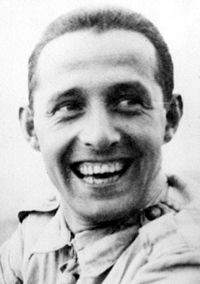 Miroslaw Feric
 Witold Lokuciewski
As the fighting progressed, and the Battle of Britain inevitable, fighter pilots were in huge demand. As a result, the thousands of Polish pilots who escaped to Britain after their country was taken over were called to duty. They formed loads of new squadrons, and amidst them, the No. 303 "Kosciuszko" Squadron. This squadron was one of the best in the World during World War II, and among its many pilots are 3 extraordinary aces named Witold Lokuciewski, Jan Zumbach, and Miroslaw Feric, who called themselves 'The Three Musketeers'. Of the trial, Feric did not survive the war.
Final victory tally for The Three Musketeers:
Jan Zumbach- 13 confirmed kills, 5 probables, and 1 damaged.
Miroslaw Feric- 8 and 2/3 confirmed kills, and 1 probable.
Witold Lokuciewski- 8 confirmed kills.
Subscribe to:
Posts (Atom)
